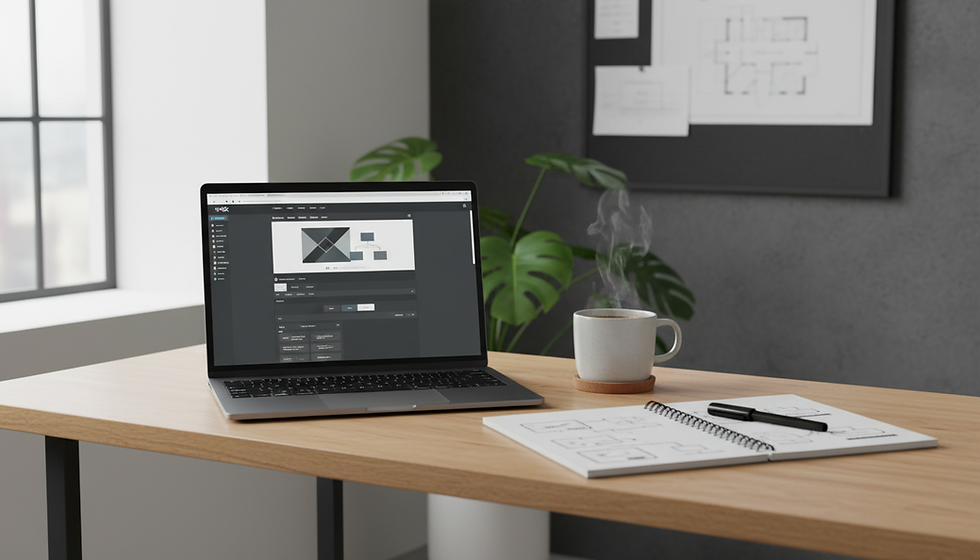
Crafting SEO-Friendly Web Designs for Success

Creating a website that looks great is only half the battle. To truly succeed online, your web design must also be SEO-friendly. This means building a site that search engines can easily understand and rank well, while offering visitors a smooth, engaging experience. I’ll walk you through how to craft web designs that boost your SEO and help your business grow.
Why SEO-Friendly Web Design Matters
When you combine good design with SEO, you get a website that attracts more visitors and keeps them engaged. Search engines like Google look at many factors to decide where your site ranks. These include how fast your pages load, how easy your site is to navigate, and how well your content matches what people search for.
A well-designed site that follows SEO best practices helps you:
Rank higher in search results
Reach more potential customers
Improve user experience and reduce bounce rates
Build trust and credibility
Without SEO in mind, even the most beautiful website can get lost in the vast internet. That’s why integrating SEO into your design process is essential.
Key Elements of SEO-Friendly Web Design
Fast Loading Speed
Visitors expect pages to load quickly. Slow sites frustrate users and cause them to leave. Google also ranks faster sites higher. To improve speed:
Optimize images by compressing them without losing quality
Use clean, efficient code
Minimize the use of heavy scripts and plugins
Choose reliable hosting
Mobile Responsiveness
More than half of web traffic comes from mobile devices. Your site must look and work well on phones and tablets. Responsive design adjusts your layout to fit any screen size. Google also favors mobile-friendly sites in search rankings.
Clear Site Structure and Navigation
A simple, logical structure helps both users and search engines. Use clear menus and categories. Make sure every page is reachable within a few clicks. This helps search engines index your pages and visitors find what they need.
SEO-Friendly URLs and Metadata
URLs should be short, descriptive, and include keywords when possible. For example, use `example.com/seo-web-design` instead of `example.com/page?id=123`. Also, write unique title tags and meta descriptions for each page. These appear in search results and influence click-through rates.
Quality Content and Keywords
Content is still king. Your site should have useful, relevant content that answers visitors’ questions. Use keywords naturally in your text, headings, and image alt tags. Avoid keyword stuffing, which can hurt your rankings.
Accessibility and User Experience
Make your site accessible to all users, including those with disabilities. Use readable fonts, good color contrast, and alt text for images. A positive user experience keeps visitors longer and encourages sharing.

How to Integrate SEO in Web Design Projects
Start with Keyword Research
Before designing, identify the keywords your target audience uses. This guides your content and page structure. Tools like Google Keyword Planner or SEMrush help find relevant terms with good search volume.
Plan Your Site Architecture
Organize your pages around main topics and subtopics. This creates a clear hierarchy that search engines understand. For example, a digital marketing agency might have main pages for SEO, web design, and content marketing, each with related subpages.
Use SEO Tools and Plugins
If you use platforms like WordPress, SEO plugins can help manage metadata, sitemaps, and more. They also provide tips to improve your SEO as you build.
Optimize Images and Media
Large images slow down your site. Use tools to compress images before uploading. Add descriptive alt text to help search engines understand what the images show.
Test and Monitor Performance
After launch, use tools like Google PageSpeed Insights and Google Search Console to check your site’s speed and SEO health. Fix issues promptly to maintain good rankings.
Examples of SEO-Friendly Web Design Services
To build a site that meets these standards, you need the right tools and services. Two great options to consider are:
Web Design Service by Farbman Digital Studio
This service focuses on creating custom websites that combine stunning design with SEO best practices. They ensure fast loading times, mobile responsiveness, and clear navigation. Learn more at Farbman Digital Studio.
SEO Web Design Package by BrightPath Solutions
BrightPath offers a package that integrates SEO from the start. They handle keyword research, content optimization, and technical SEO alongside design. Check their offering at BrightPath Solutions.
Both services emphasize building websites that attract and convert visitors. Choosing a partner that understands SEO and design together makes a big difference.

How Farbman Digital Studio Supports SEO-Friendly Design
Farbman Digital Studio stands out by blending creativity with strategy. They start by understanding your business goals and target audience. Then, they build a site that not only looks great but also ranks well.
Their approach includes:
Fast, clean coding for quick load times
Mobile-first design to reach all users
SEO-friendly URLs and metadata setup
Content guidance to include relevant keywords naturally
Ongoing support to monitor and improve SEO
Working with a team like Farbman Digital Studio means you get a website designed for success from day one. Their expertise helps you attract more high-value clients and grow your online presence.
Tips for Maintaining SEO After Launch
SEO is not a one-time task. After your site goes live, keep it updated and optimized:
Regularly add fresh content like blog posts or case studies
Update keywords based on changing trends
Fix broken links and errors quickly
Monitor site speed and user behavior
Use analytics to track what works and adjust your strategy
Keeping your site healthy ensures it stays visible and competitive.

Final Thoughts on SEO-Friendly Web Design
Building a website that ranks well and delights visitors takes planning and skill. Focus on fast loading, mobile responsiveness, clear navigation, and quality content. Use SEO tools and partner with experts who understand both design and search engines.
If you want to elevate your online presence, consider working with a trusted online digital marketing agency like Farbman Digital Studio. They combine smart design with SEO to help you attract more clients and grow your business.
Start your SEO-friendly web design journey today. Your website can be a powerful tool for success.